Repairing Floor Damage from Radiators, Stoves, and Other Period Features
Posted by Aaron Schaalma
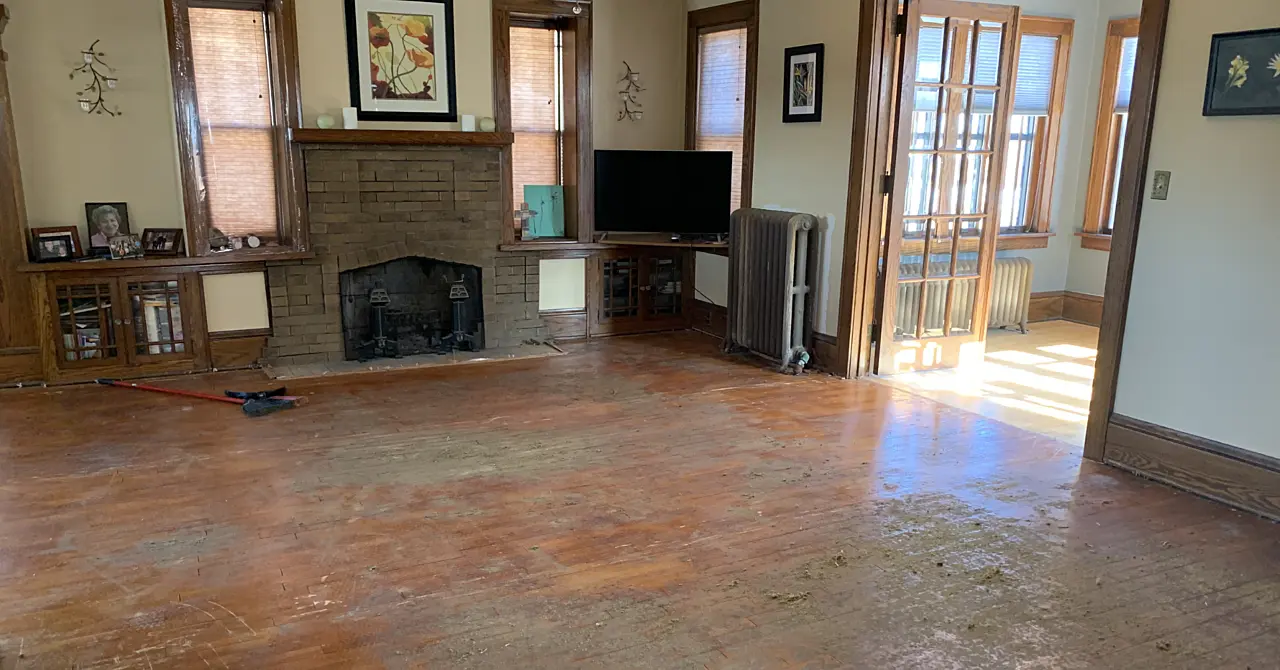
Older homes have character you can’t fake: cast-iron radiators, wood stoves, built-ins, old hearths, and quirky room layouts that tell a story. But those same period features can leave hardwood floors with stains, gaps, scorch marks, cutouts, or patchwork that stands out for all the wrong reasons.
The good news: In many cases, damaged hardwood around historic features can be repaired, blended, and refinished without replacing the entire floor.
Common floor damage around period features
Radiators, stoves, and older mechanical systems tend to create predictable problems:
- Water stains near radiators from slow leaks, spills, or condensation
- Dark marks or rust stains around radiator feet
- Scorching or discoloration near wood stoves, coal stoves, or old hearths
- Cutouts and patches where pipes, vents, or fixtures were removed
- Uneven fading where a feature blocked sunlight for decades
- Board gaps or movement caused by heat and seasonal humidity changes
Some of this damage is cosmetic. Some points to moisture or structural issues that need attention before refinishing.
Step one: Fix the source of the problem
Before repairing the floor, make sure the original cause is handled. A radiator leak, stove clearance issue, or moisture problem can ruin a beautiful repair if it continues.
For radiator areas, that may mean checking valves, pipe connections, and old supply lines. For stove areas, it may mean confirming safe clearances and hearth protection. A flooring repair should come after the home is ready to protect the floor long-term.
Step two: Can stains be sanded out?
Sometimes stains can be removed with simple sanding. Light surface discoloration may improve significantly during sanding and refinishing. But deep black water stains, rust marks, and burns can penetrate too far into the wood to disappear completely.
A professional can help determine whether the best approach is:
- Sand and refinish the existing boards
- Replace only the damaged boards
- Use stain/color techniques to reduce contrast
- Create an intentional transition near a hearth or feature
The goal is not always “perfect.” In an older home, the best result is often a floor that feels natural, cohesive, and appropriate to the age of the house.
Step three: Matching replacement boards
When boards do need to be replaced, matching matters. A good repair considers:
- Wood species
- Board width and thickness
- Grain pattern
- Age and character of the surrounding floor
- Existing stain and finish
In period homes, new boards may look too clean if they’re not selected carefully. A skilled flooring pro can weave replacement boards into the existing floor, then sand and finish the area so the repair blends instead of shouting “patch.”
Step four: Refinishing after repairs
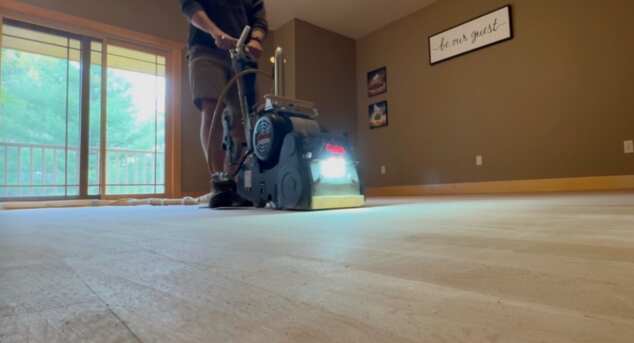
Once damaged boards are repaired or replaced, refinishing can bring the whole room together. In some cases, a full sand-and-refinish is the best option, especially if the floor has widespread wear, old finish buildup, or multiple repairs.
If the floor is in good shape and only needs a refresh, a buff-and-coat may be enough. Many homeowners call this “polishing,” but in hardwood flooring, polishing is essentially buffing: lightly abrading the existing finish and adding a fresh protective coat.
Keep the character, lose the damage
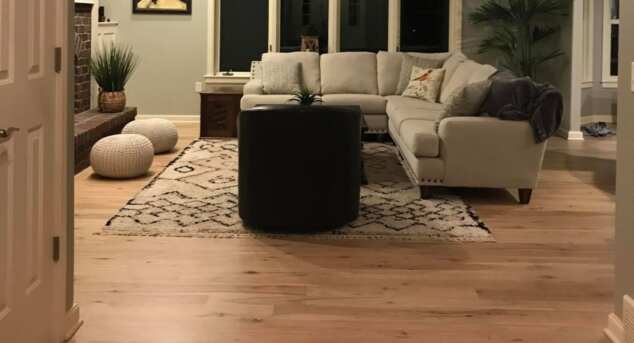
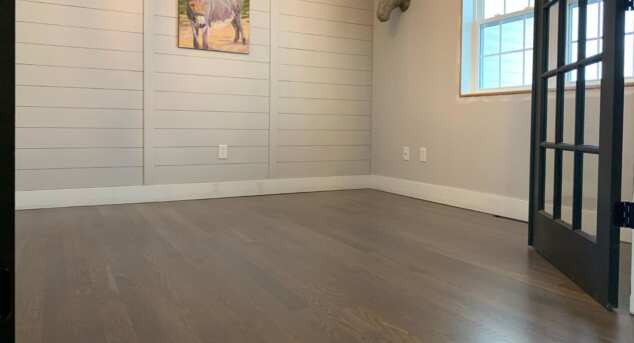
The charm of an older home is worth preserving. Radiators, stoves, and historic details don’t have to mean living with stained or patched-looking floors. With the right repair strategy, your hardwood can keep its period character while looking clean, finished, and cared for.
Wisconsin homeowners: Repair period floor damage with confidence
If you’re in central or northeastern Wisconsin, Signature Custom Flooring can evaluate damage around radiators, stoves, hearths, vents, and other older home features. They’ll recommend the right approach, whether that means targeted board repair, blending, refinishing, or a simple buff-and-coat.
For hardwood floors that honor your home’s history without looking worn out, reach out to Signature Custom Flooring for an honest assessment.