Top Hardwood Flooring Trends of 2026
Posted by Aaron Schaalma
Hardwood flooring is a timeless choice for homes and businesses. It offers elegance and durability. As we look to 2026, exciting trends are emerging in the world of wood floors.
The Evolution of Hardwood Flooring: Looking Ahead to 2026
Hardwood flooring has evolved remarkably over the years. It continues to set the benchmark for aesthetics and functionality. By 2026, this evolution will reflect both technology and culture.
In recent years, several factors have influenced these changes. Technology has introduced new manufacturing techniques. This has improved the quality and options available. Cultural influences have brought diverse styles to the forefront.
Looking ahead, several key trends will shape the industry in 2026:
- Increased emphasis on sustainability and eco-friendliness
- A preference for engineered wood due to its resilience
- The popularity of minimalist designs reflecting Scandinavian influences
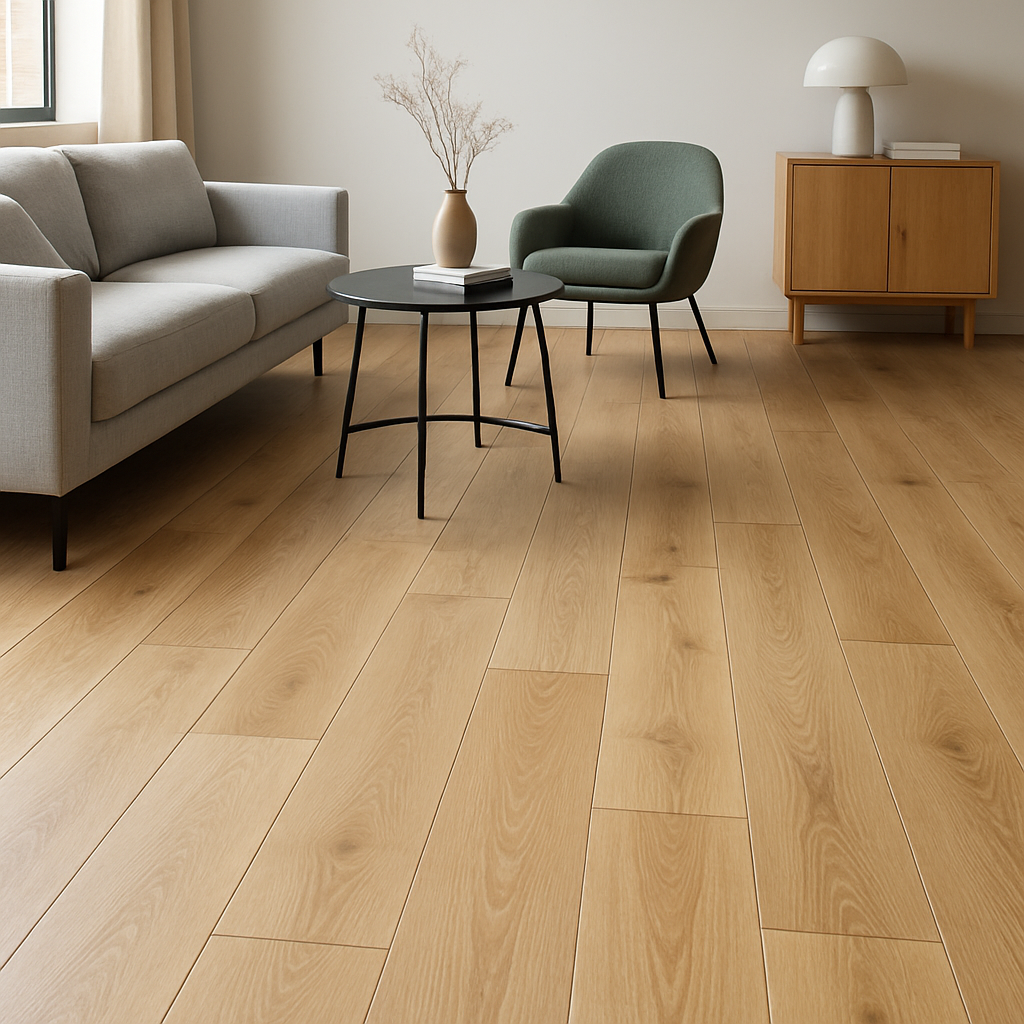
Engineered wood's versatility has increased its popularity. It resists moisture better than solid wood. This makes it suitable for a variety of spaces, including basements and kitchens.
As globalization advances, design diversity expands. Styles from different cultures merge, creating unique flooring ideas. These influences allow for personal expression through flooring choices.
In 2026, hardwood flooring will continue to balance tradition and innovation. It will cater to a wide range of styles and preferences, making it a timeless choice. This balance ensures hardwood remains a top choice for discerning decorators.
Sustainability and Eco-Friendly Choices
Sustainability will dominate hardwood flooring trends in 2026. Consumers are increasingly aware of environmental impacts. This awareness pushes manufacturers toward eco-friendly materials and processes.
Eco-conscious buyers look for sustainably sourced timber. These woods come from managed forests. Certification schemes help verify the sustainability of these sources.
Reclaimed wood will also rise in popularity. It offers unique character while reducing waste. Using older materials in new designs provides both aesthetic appeal and environmental benefits.
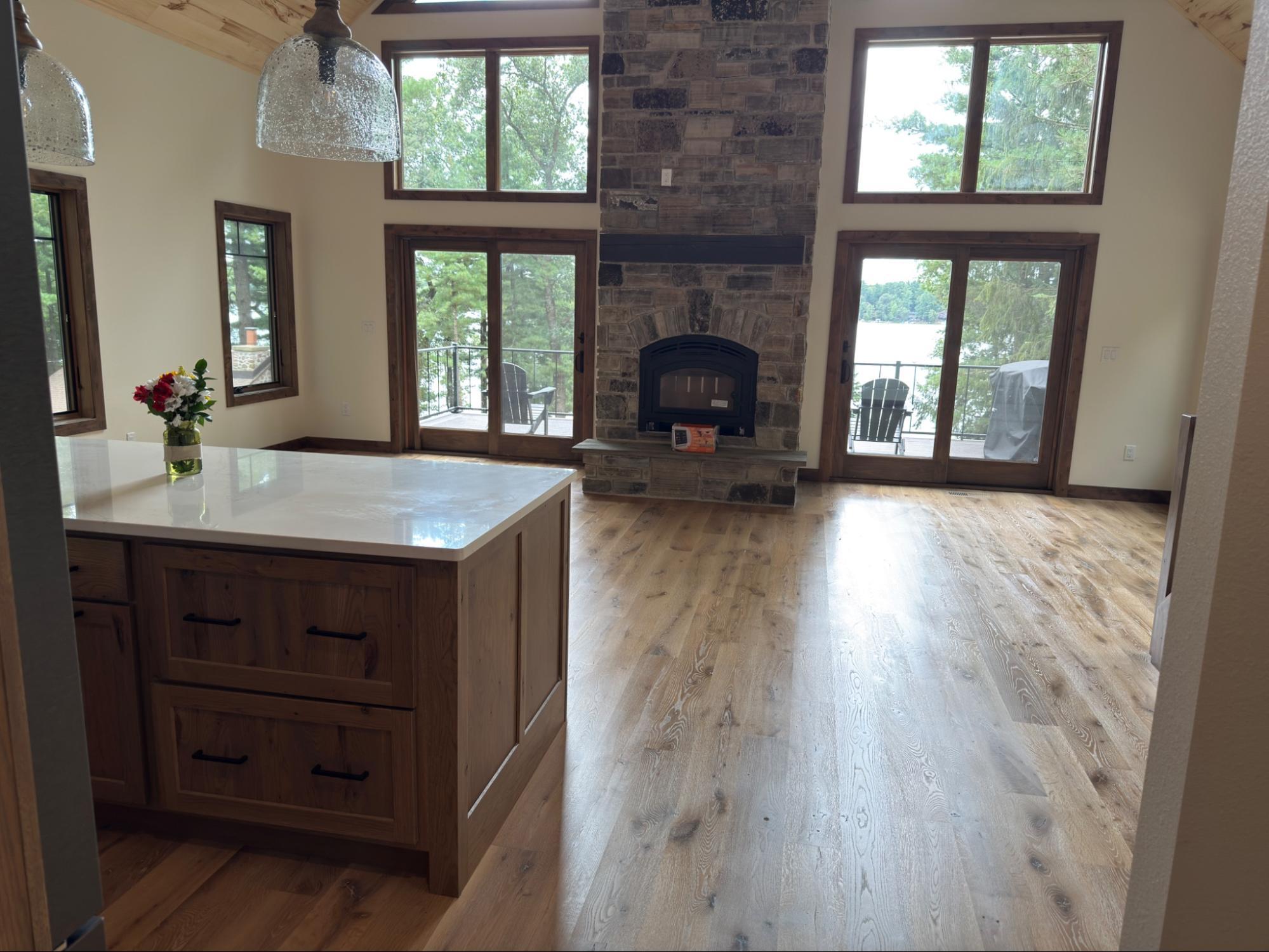
Beyond materials, the production process is crucial. Many companies focus on reducing emissions and waste. They strive for cleaner, greener manufacturing techniques.
Key sustainable practices include:
- Using low-VOC (volatile organic compounds) finishes
- Employing energy-efficient manufacturing processes
- Implementing waste reduction strategies
Product longevity is also vital. Durable floors last longer, reducing the need for replacements. Engineered hardwood offers extended life spans thanks to its robust construction.
Another emerging trend is the use of biophilic design principles. This approach emphasizes natural materials, connecting interiors with nature. Biophilic designs can promote well-being in living environments.
Consumers will continue to prioritize products that protect indoor air quality. Hypoallergenic flooring options gain traction, catering to health-conscious buyers. This focus on wellness and sustainability will only grow as more people seek healthier living spaces.
Overall, eco-friendly choices will remain at the forefront of hardwood flooring trends in 2026.
The industry will adapt to meet consumer demands for sustainable innovation. This shift aligns with broader efforts to protect our planet.
Trending Wood Floor Colors and Finishes
In 2026, the palette for wood floors will reflect a modern sensibility. Gone are the days of limited choices. Today, bold and subtle tones coexist, providing options for every taste.
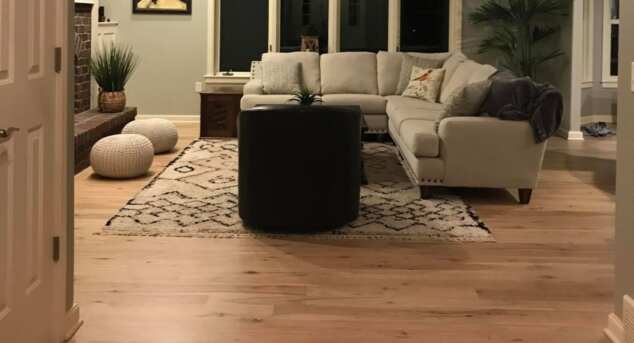
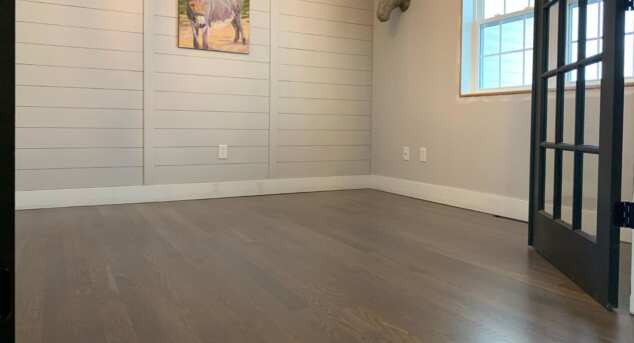
Lighter wood tones will dominate flooring trends. White oak and ash are favored for their fresh, airy appeal. These shades provide a neutral base, complementing various decor styles.
Darker hues won't disappear, though. Rich, deep colors like mahogany and walnut remain popular in luxury interiors. However, these darker floors now feature more muted, matte finishes.
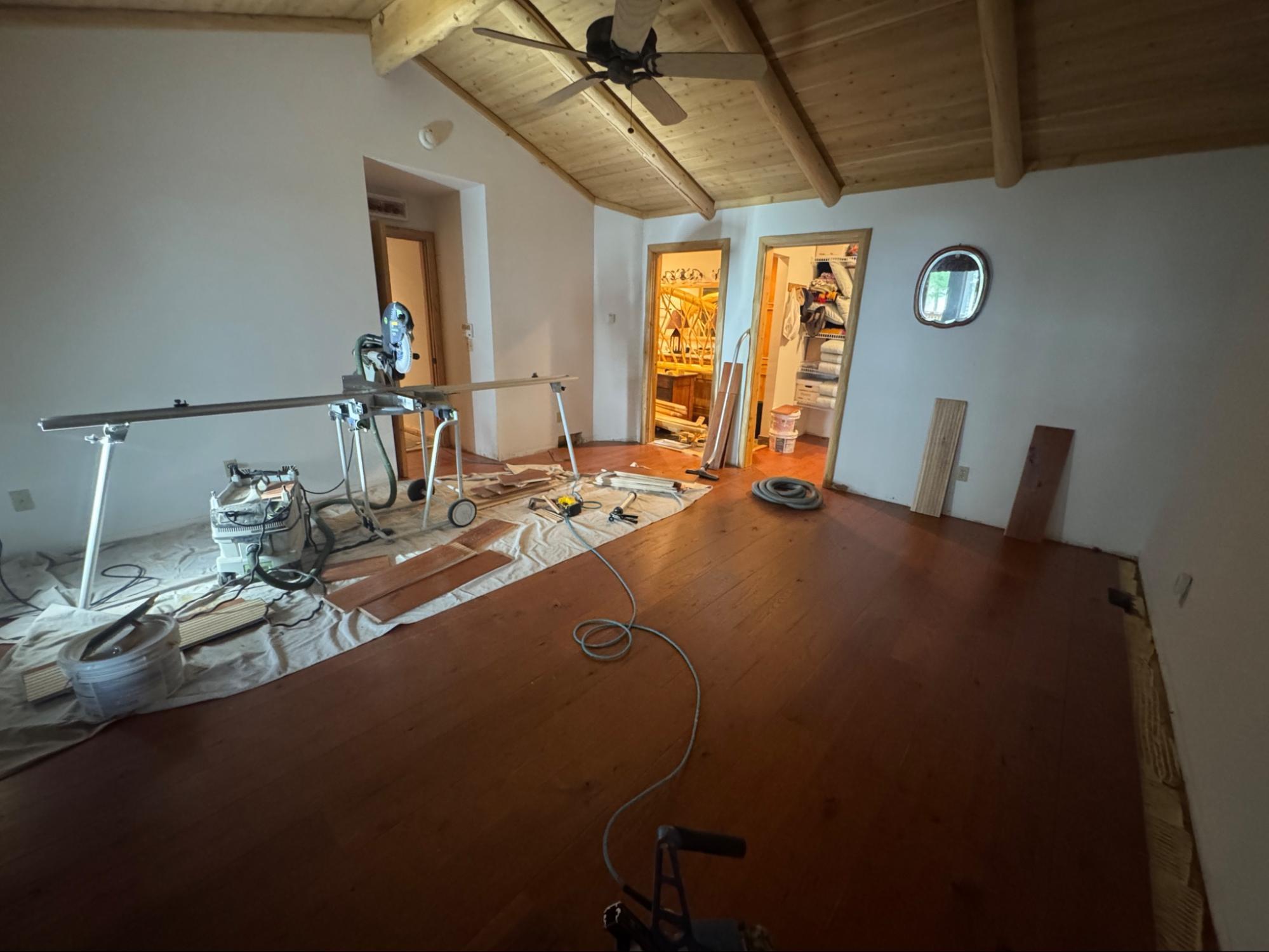
Emerging trends also highlight mixed-width planks. This design creates visual depth and a custom look. The combination of wide and narrow boards adds an intriguing dimension.
Popular finishes for 2026 include:
- Natural matte textures
- Low-gloss and satin finishes
- Wire-brushed and hand-scraped effects
Such finishes enhance the floor's character without being overwhelming. Natural and matte surfaces show off the wood's organic beauty. Shiny, high-gloss floors are becoming less common.
Homeowners are increasingly seeking unique, personalized options. Custom stains and finishes allow for individualized designs. This trend caters to those wanting distinct flooring that reflects their personal style.
Overall, hardwood flooring trends in 2026 will celebrate versatility. From light to dark, matte to textured, there's something to suit every taste and aesthetic. The key is selecting a tone and finish that complements the overall design of the space.
Plank Sizes, Patterns, and Layouts
As we move into 2026, the demand for diverse plank sizes and layouts will grow. Flooring is no longer just about durability or function. It plays a vital role in aesthetics and design.
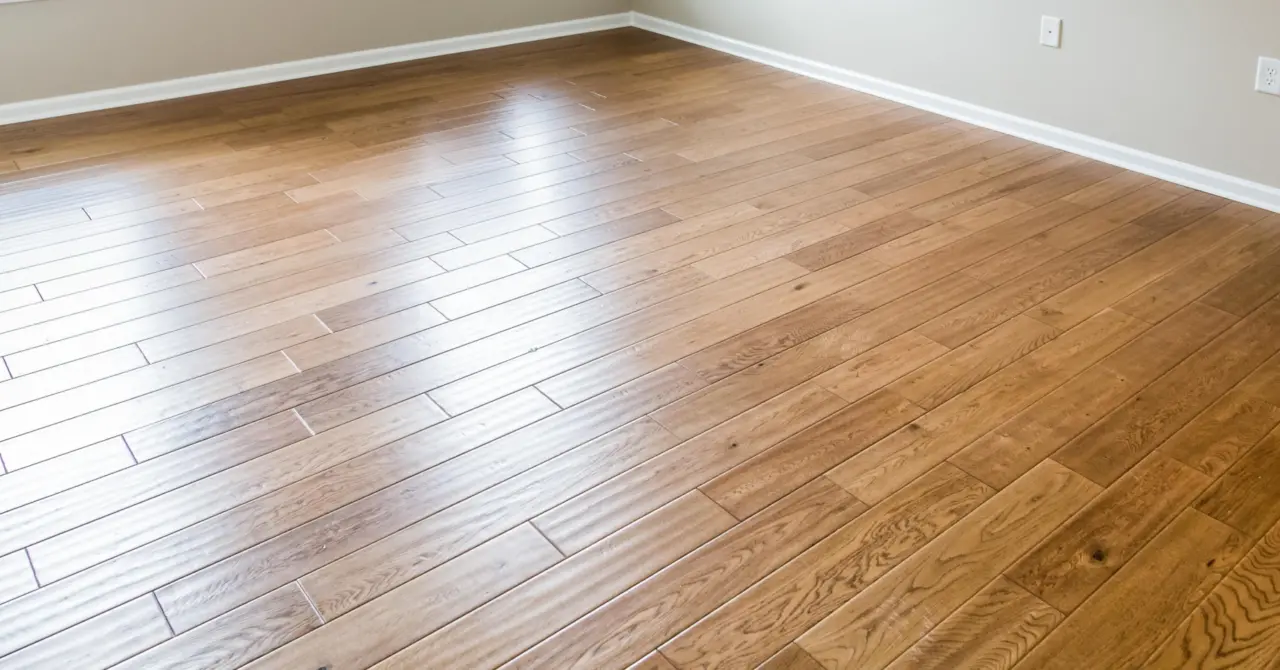
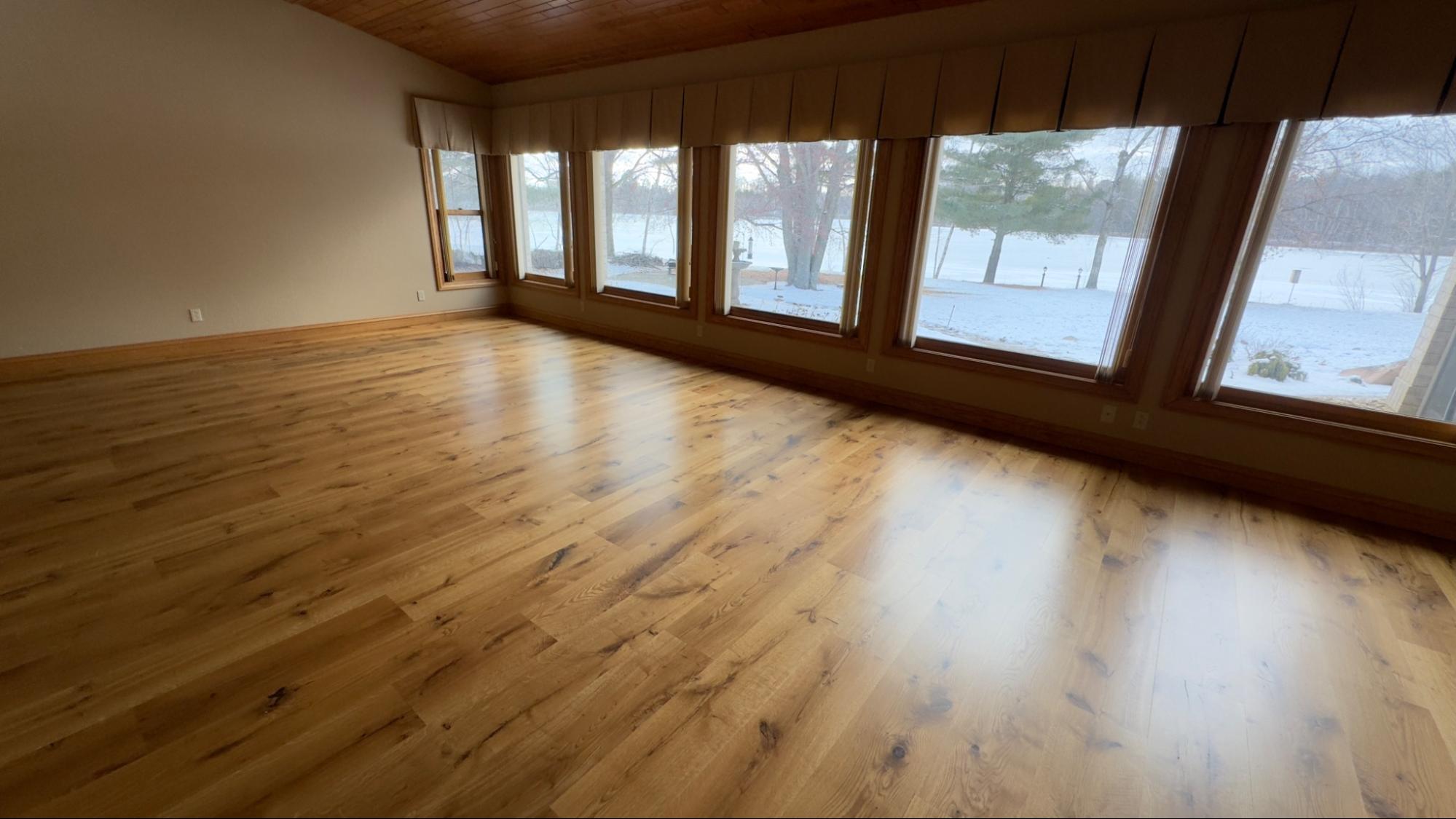
Wider planks will continue to gain traction. They create a seamless, expansive look that suits open floor plans. This trend supports the pursuit of a modern, uncluttered appearance.
Alongside wider planks, longer boards will be trending. These offer continuity and a polished, high-end finish. Longer boards can visually elongate rooms, making them appear larger.
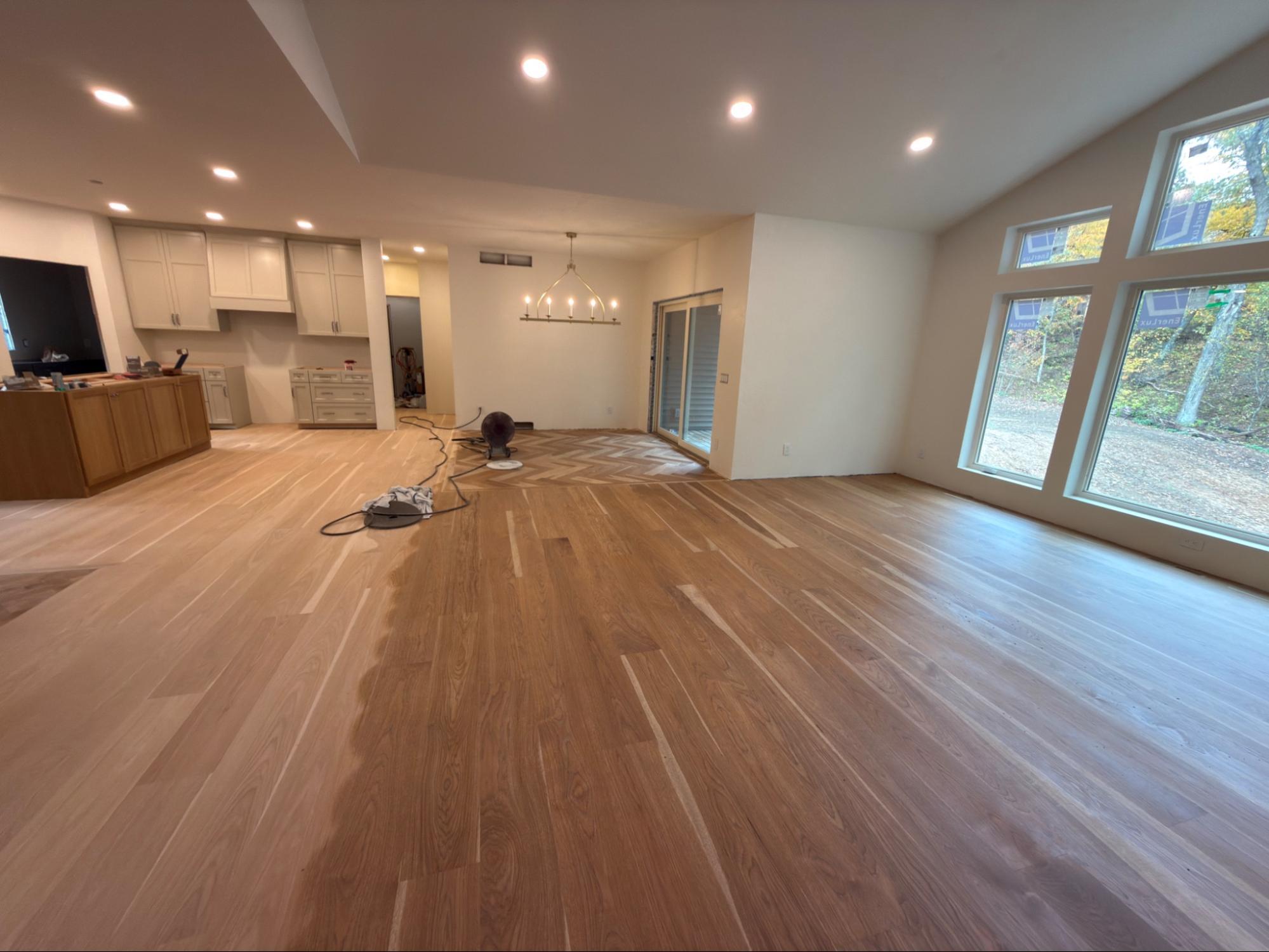
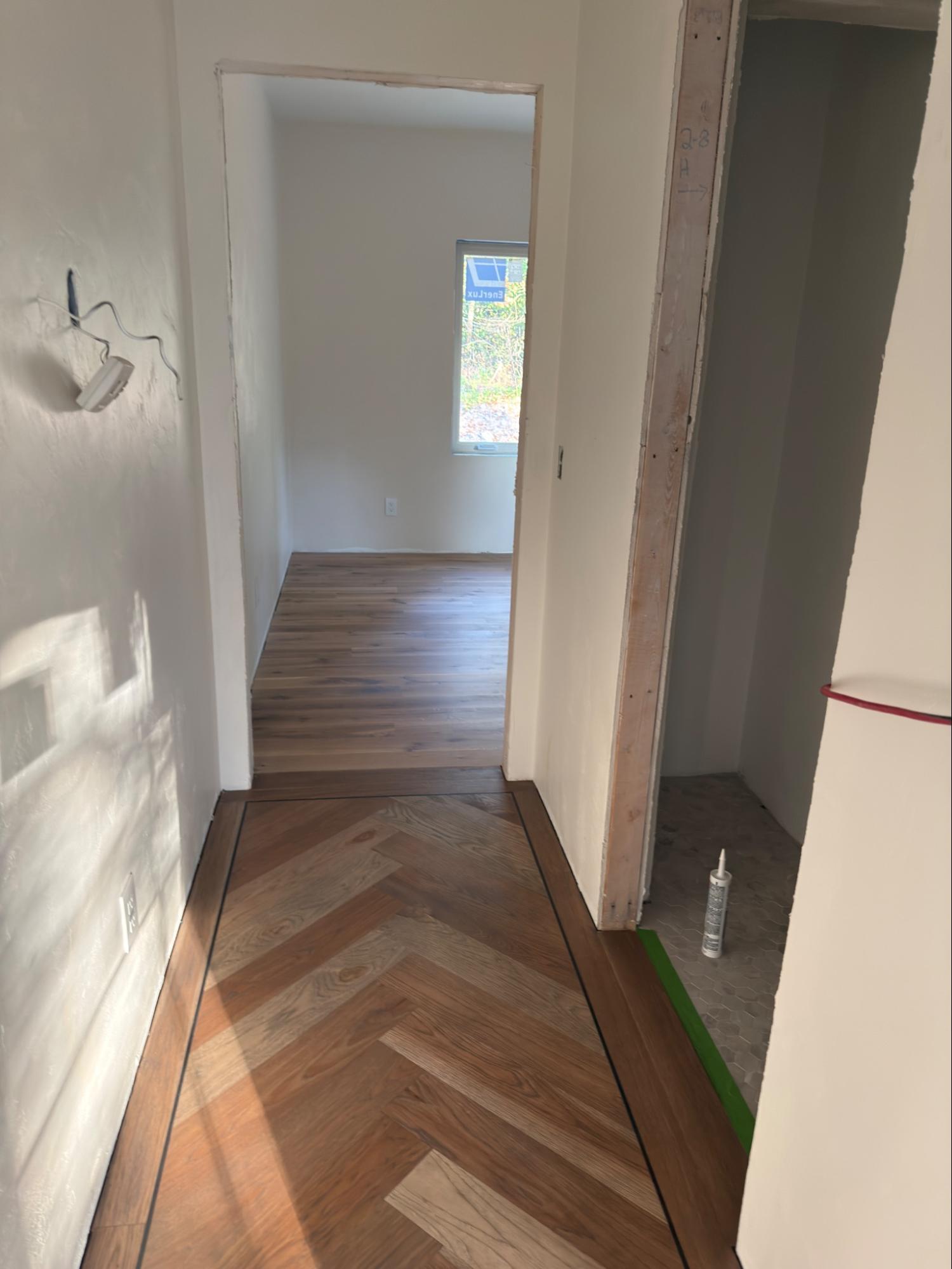
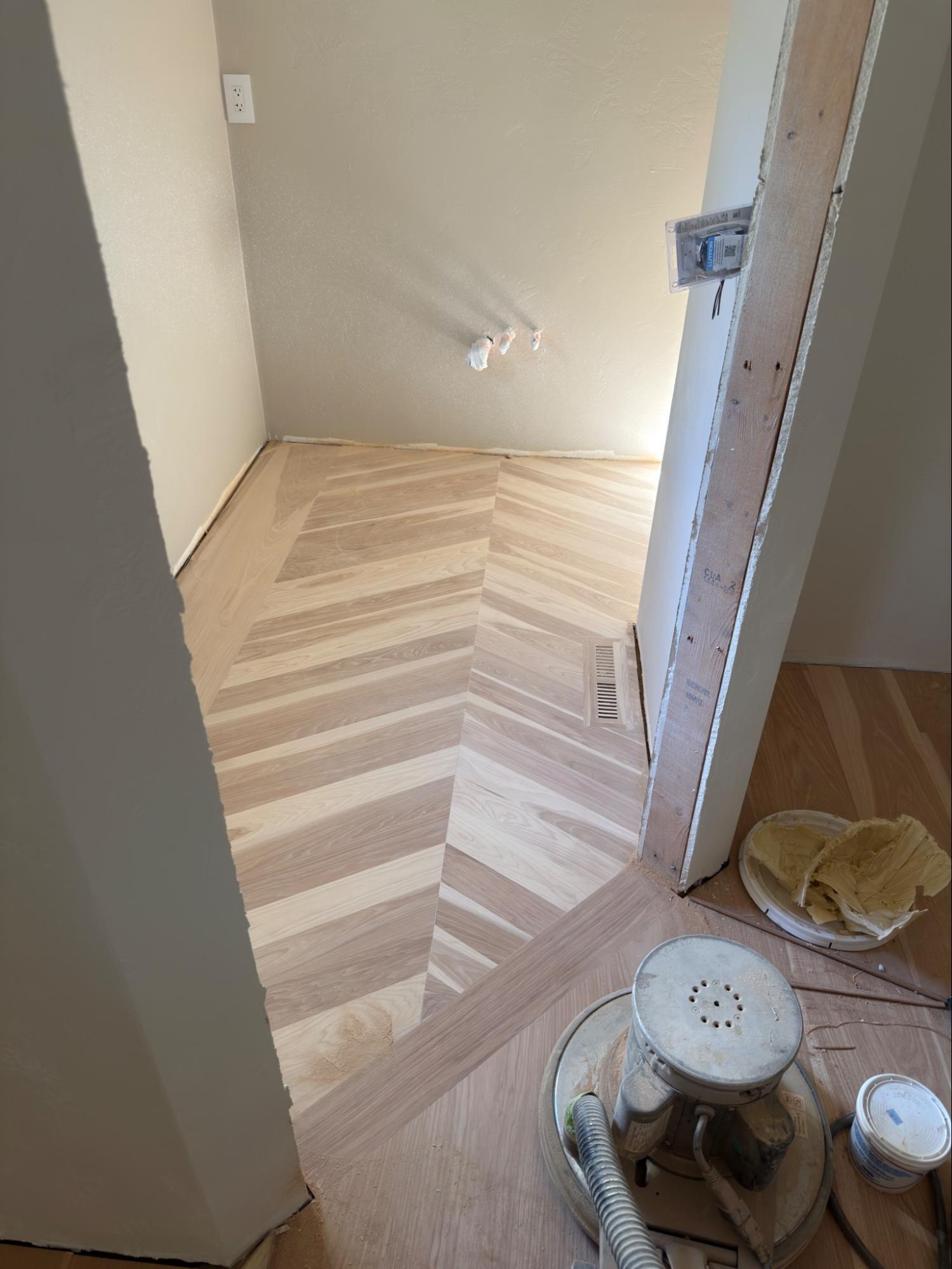
When it comes to patterns, classic styles remain in vogue. Herringbone and chevron layouts never go out of style. Their timeless appeal fits both traditional and contemporary designs.
New layout trends will emerge, including:
- Mixed-width layouts for added dimension
- Parquet patterns that stand out
- Straight lay designs for a clean, uniform look
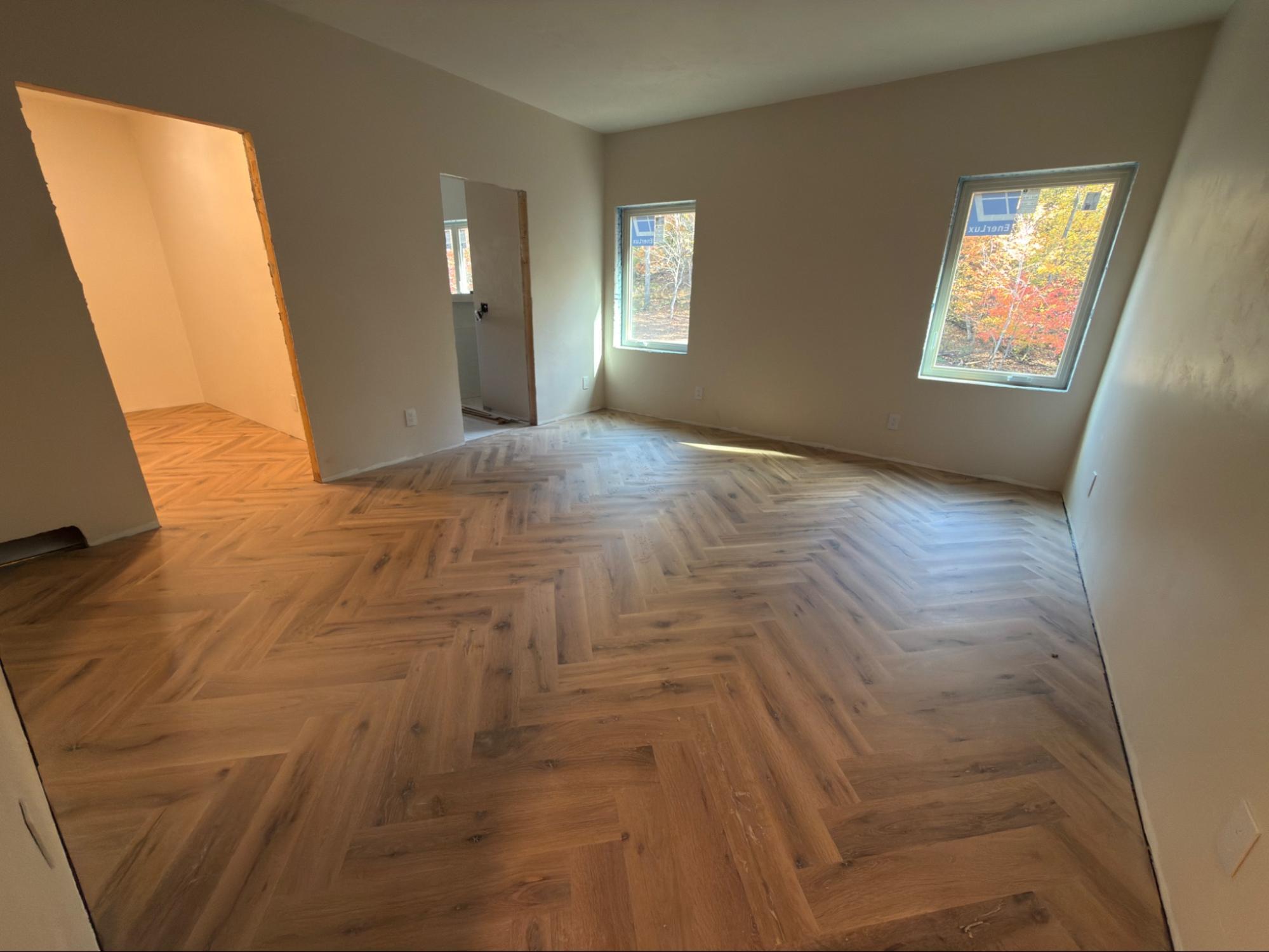
These patterns offer versatile options for personalizing spaces. They transform simple floors into statement features, highlighting craftsmanship and design.
The choice of layout can define a room's character. It complements the overall theme while adding structural interest. Designers and homeowners alike enjoy experimenting with these elements.
Overall, the plank sizes and layouts of 2026 reflect a continued interest in innovation and personalization. As trends evolve, the balance of form and function remains essential. Whether opting for classic elegance or cutting-edge style, there's a design to enhance any space.
Innovative Materials and Technology in Hardwood Flooring
Innovation is reshaping hardwood flooring in 2026. Technology enhances not only the aesthetics but also functionality and durability. Flooring is no longer just a surface; it's a tech-infused feature.
Engineered wood continues to gain popularity. Its versatility and strength appeal to many homeowners. This material offers the beauty of hardwood with added benefits.
Smart floors will become more commonplace. These integrate with home automation systems, adding convenience. Imagine floors that adjust temperature settings or lighting based on occupancy.
Digital printing technology is advancing. It allows for intricate wood grain patterns. With this tech, even traditional styles can have a modern twist.
Innovative materials and technology trends to watch:
- Smart floor integration with IoT devices
- Advances in digital printing for realistic designs
- Enhanced acoustic underlays for sound reduction
These developments improve both the look and feel of spaces. They also cater to a tech-savvy audience, seeking smarter homes. Smart flooring is not only practical but also stylish.
The focus on technology aligns with demands for sustainable solutions. New materials are increasingly eco-friendly. They reflect a commitment to environmental responsibility.
Innovation in hardwood flooring is set to enhance our living spaces. Whether it's through improved materials or integrated technology, the future looks promising. As trends evolve, these advancements will redefine how we view and use flooring in our homes.
Texture, Surface Treatments, and Customization
Textures and treatments play a crucial role in flooring's overall appeal. In 2026, expect to see a rise in tactile surfaces. These add depth and interest to hardwood floors.
Wire-brushed and hand-scraped finishes are gaining traction. These techniques create unique textures that hide wear and tear. Floors become visually striking and practical.
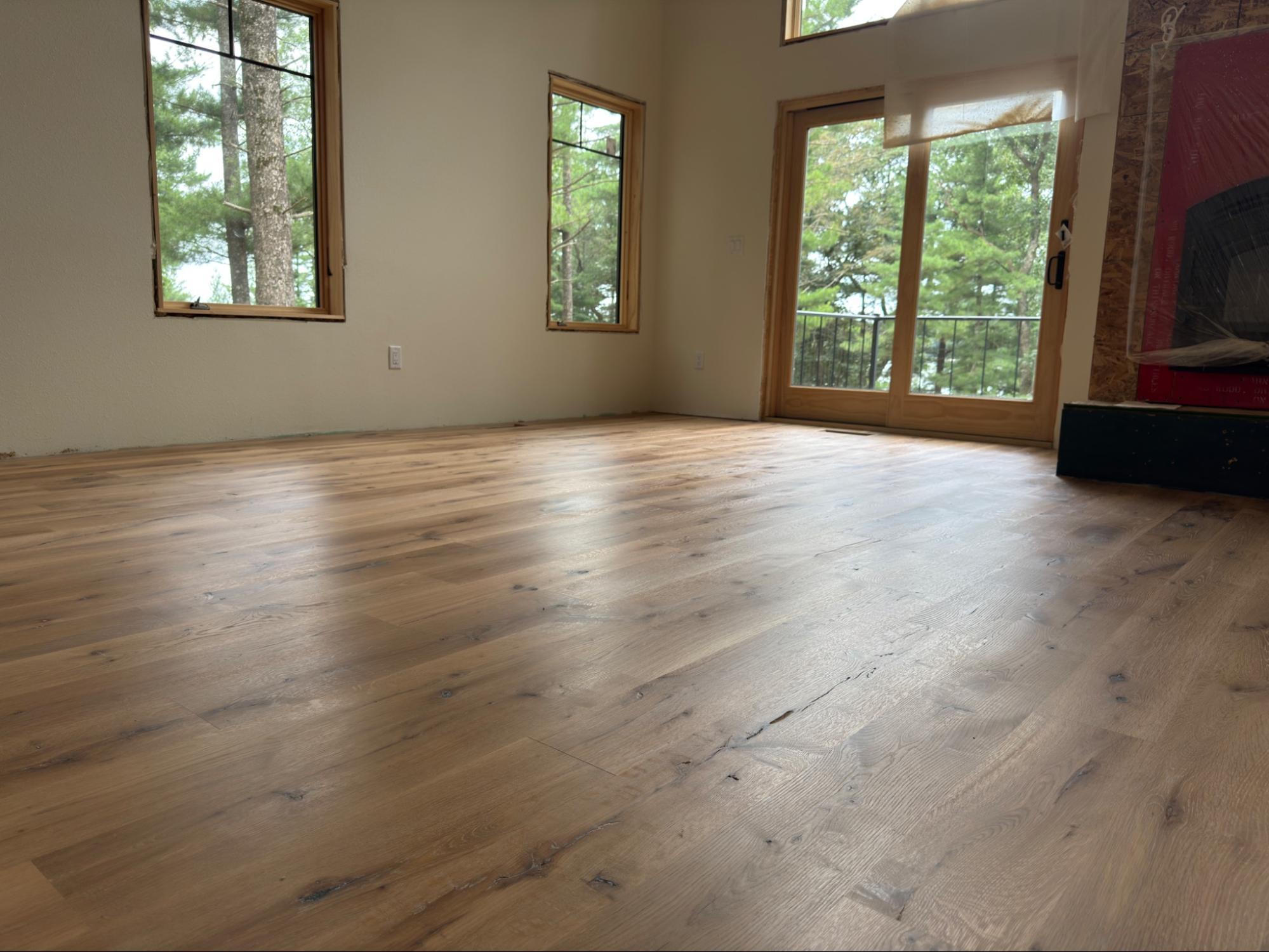
Matte finishes will be favored over glossy ones. Matte surfaces offer a natural look that is both elegant and subtle. They also require less maintenance and cleaning.
Homeowners increasingly desire customized flooring. Personalization leads to bespoke designs tailored to individual tastes. This trend allows for a unique look that reflects personal style.
Key texture and customization trends include:
- Wire-brushed and hand-scraped finishes
- Matte over glossy for a natural aesthetic
- Personalized stains and custom patterns
These trends allow for enhanced creativity in home design. With more options, homeowners can truly express their style. Flooring becomes an integral part of personalized interior schemes.
The move towards customized textures reflects a broader design shift. People want spaces that reflect their personality. In 2026, wood floors will be more than just a surface; they'll be a statement.
The Influence of Global and Cultural Design Trends
Global design trends greatly impact hardwood flooring styles. In 2026, cultural influences will diversify flooring options. New styles will emerge from diverse regions around the world.
Scandinavian design will continue to inspire minimalist aesthetics. This translates into clean lines and functional beauty. Simplicity remains a key component in modern design trends.
Additionally, Asian and African influences will provide unique textures and patterns. These designs embrace vibrant hues and intricate details. They offer a distinct departure from the traditional.
Key global and cultural design trends include:
- Scandinavian minimalist influences
- Integration of Asian and African patterns
- Fusion of traditional and modern elements
The fusion of these influences creates a dynamic design landscape. Diverse flooring options will allow for eclectic styles. This global perspective encourages creative expression in home interiors.
As cultural exchange becomes more common, expect more innovation. Designers will continue to blend old and new world elements. This mix results in flooring that tells a richer, more diverse story.
Flooring for Modern Lifestyles: Functionality and Wellness
In 2026, functionality is key in hardwood flooring. Modern lifestyles demand flooring that blends beauty with practicality. Homeowners seek options that fit busy, active lives.
Floors today do more than just look good. They need to support wellness and health. Flooring choices reflect a growing emphasis on healthy living environments.
Wellness-focused flooring will prioritize air quality and hypoallergenic features. As allergies become more common, hypoallergenic options gain importance. Flooring materials that minimize dust and allergens are preferred.
Key functional and wellness factors include:
- Air quality and hypoallergenic features
- Durability for high traffic areas
- Low maintenance and easy cleaning
Functionality also means durability in high-traffic areas. Busy households need resilient flooring that withstands wear. The demand for long-lasting options continues to grow.
Low maintenance remains a top priority for many. Flooring that cleans easily and remains beautiful saves time and effort. These practical features make hardwood flooring suitable for modern living.
Choosing the Right Hardwood Floor for Your Space in 2026
Selecting the right hardwood floor in 2026 involves balancing style, function, and personal taste. The variety of options can be overwhelming but knowing what fits your lifestyle will help. Consider the specific needs of your household when exploring choices.
Homeowners need to evaluate room-specific requirements. Kitchens benefit from durable, water-resistant floors, while bedrooms may favor softer, warmer tones. Identifying high-traffic zones will guide you towards more resilient options.
Key factors when choosing hardwood flooring include:
- Room usage and foot traffic
- Desired aesthetic and design style
- Maintenance and durability needs
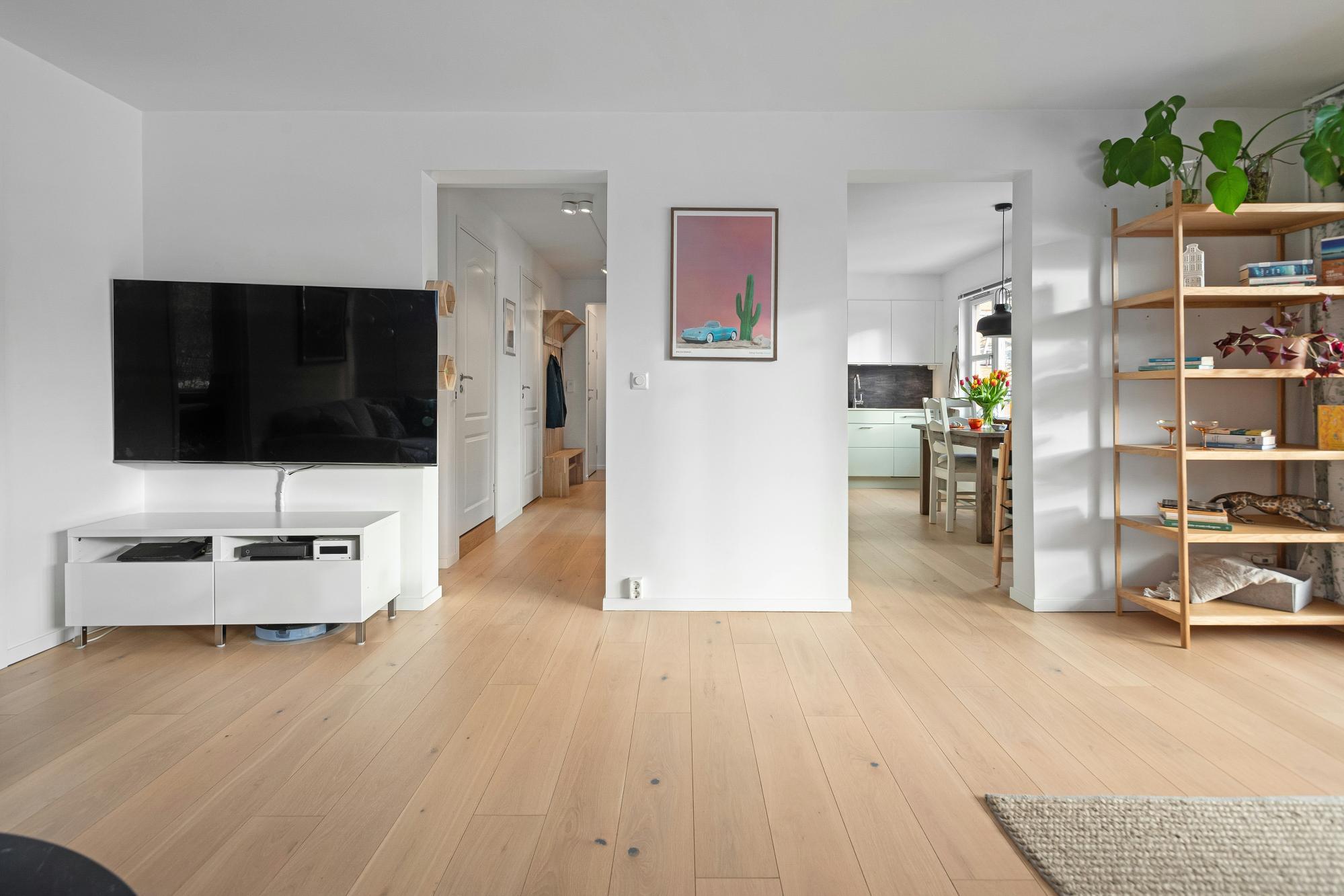
Aesthetic choices should align with your interior design vision. Whether you prefer minimalist Scandinavian styles or rustic reclaimed wood, choose finishes and patterns that enhance your home's character. Customization in stain and finish allows personalization, ensuring your flooring reflects your unique personality. Balancing practicality with style results in a harmonious, functional space that serves your everyday needs while providing visual appeal.
Conclusion: Embracing the Future of Hardwood Flooring
The hardwood flooring trends of 2026 highlight a shift towards sustainability and personalization. From eco-friendly materials to innovative designs, the future promises diverse possibilities to suit every taste. Homeowners and designers can look forward to more engaging and functional spaces.
As we embrace these trends, choosing a hardwood floor becomes a reflection of both lifestyle and values. These emerging trends invite us to enhance our living spaces with beauty, sustainability, and modern innovation. Whether in a cozy home or a sleek commercial area, future flooring options will meet the needs of modern living while maintaining timeless appeal.
In Wisconsin? We can help.
If you’re in central or northeastern Wisconsin, Signature Custom Flooring can bring curated samples to your home, create on-floor stain tests, and guide you through sheen, texture, and layout—and then install with dust-managed methods and durable, low-odor finishes.
Ready to choose hardwood colors and designs you’ll love for years? Contact Signature Custom Flooring for expert, local guidance.